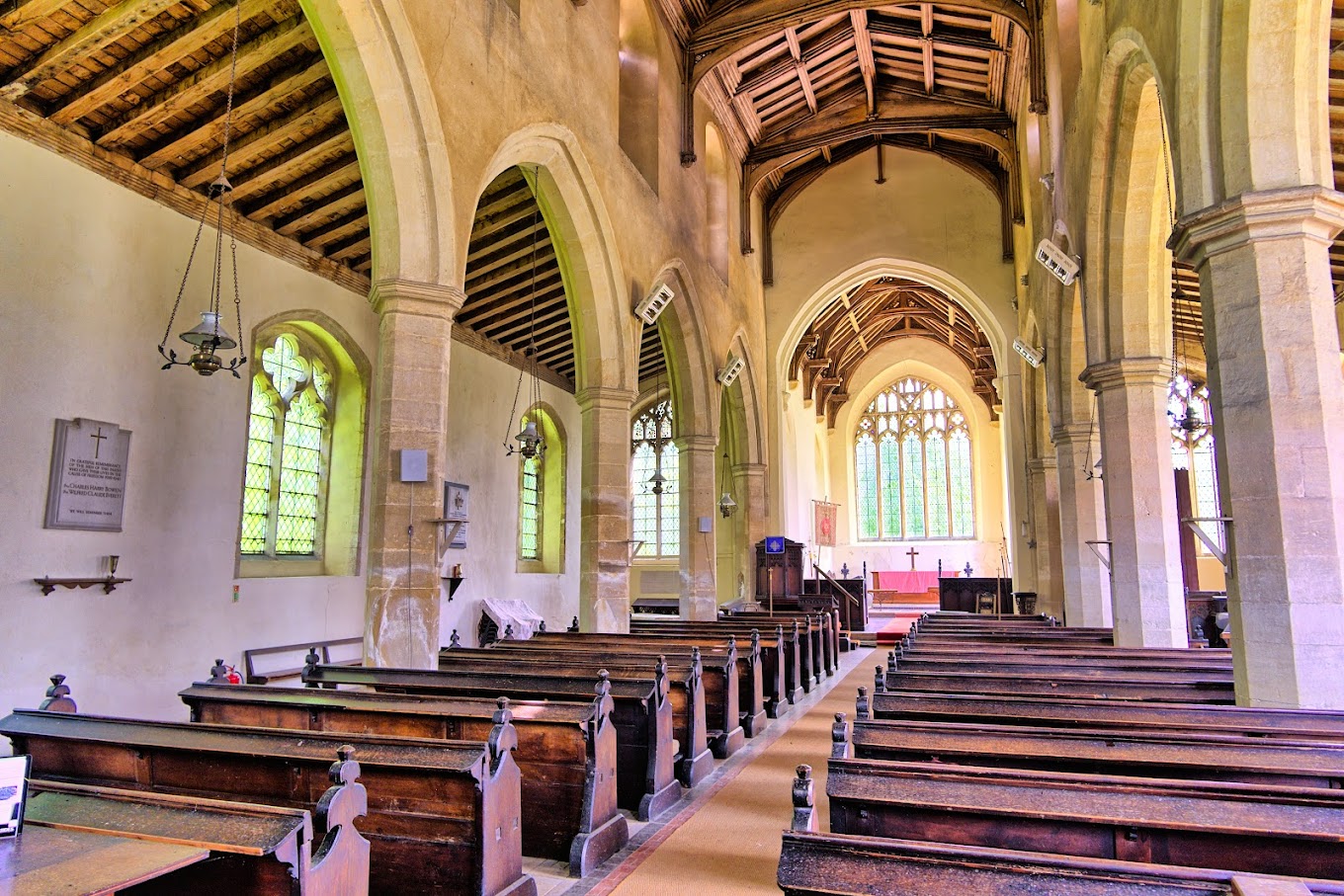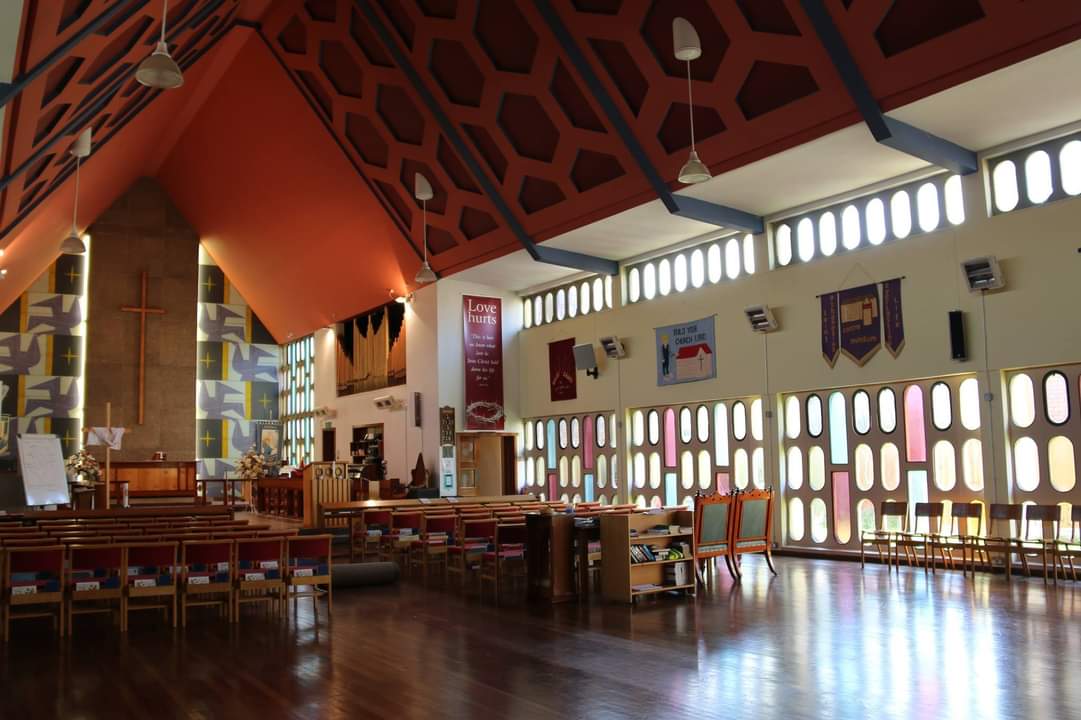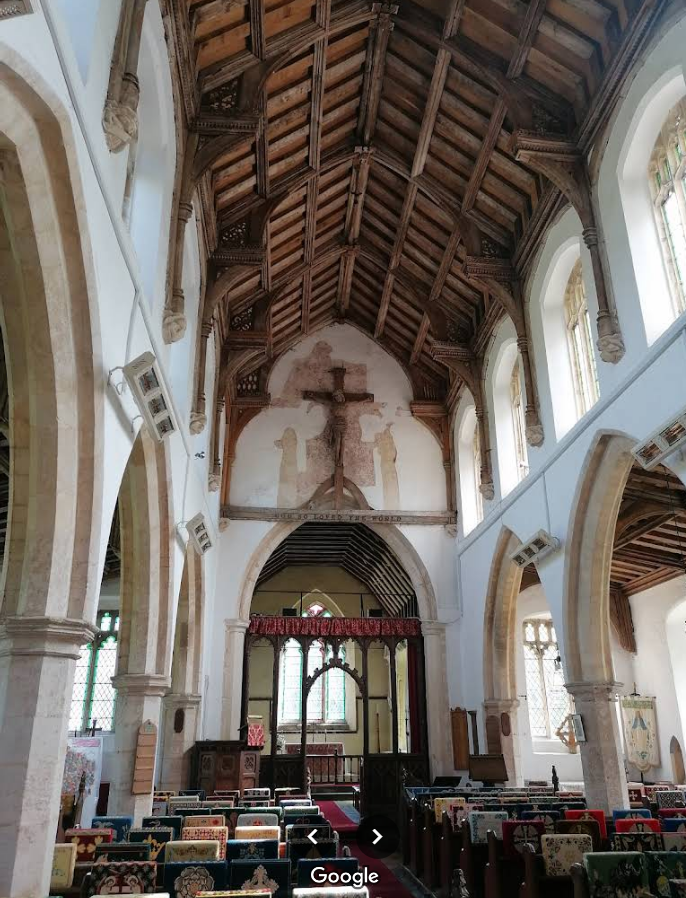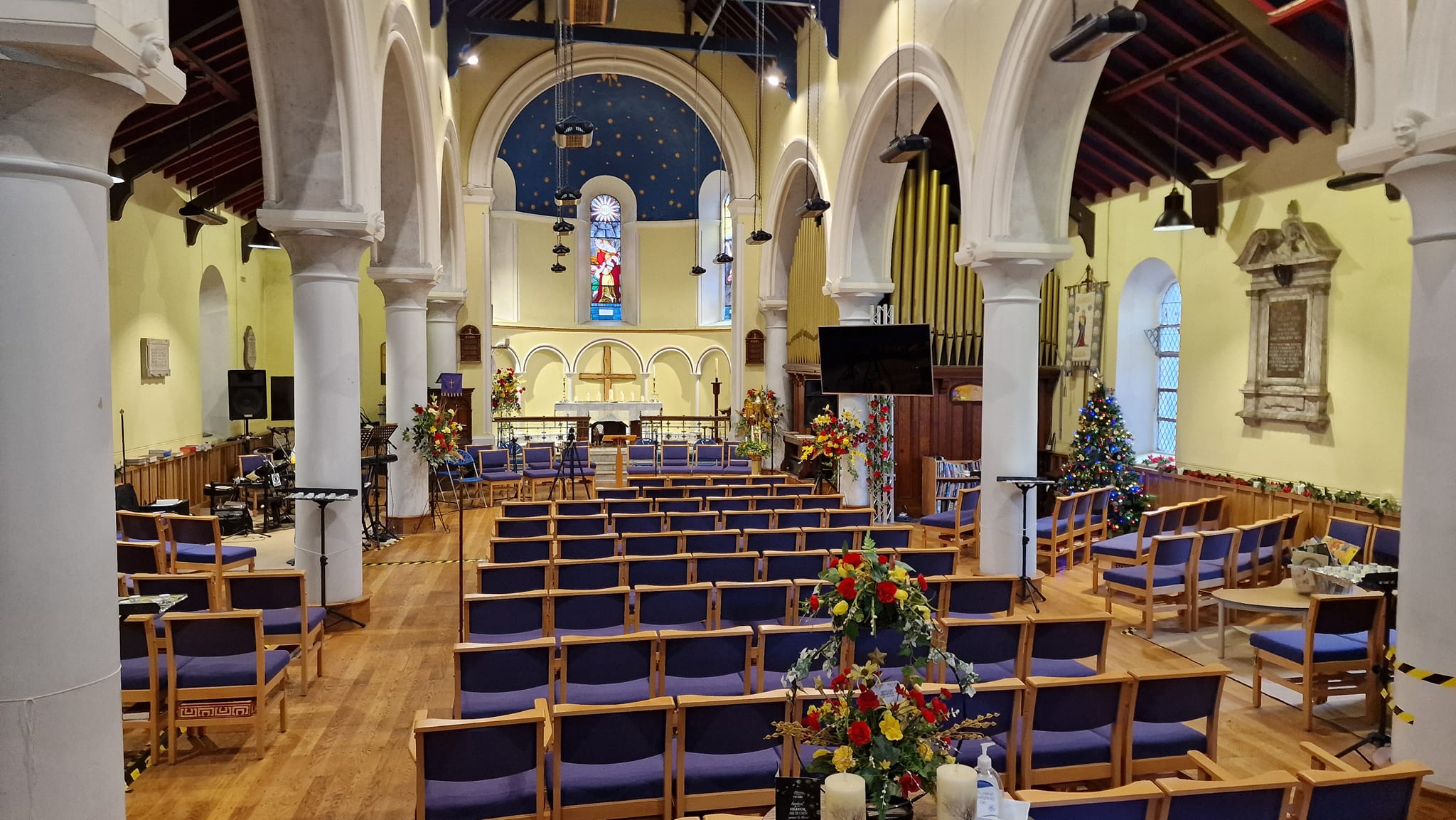
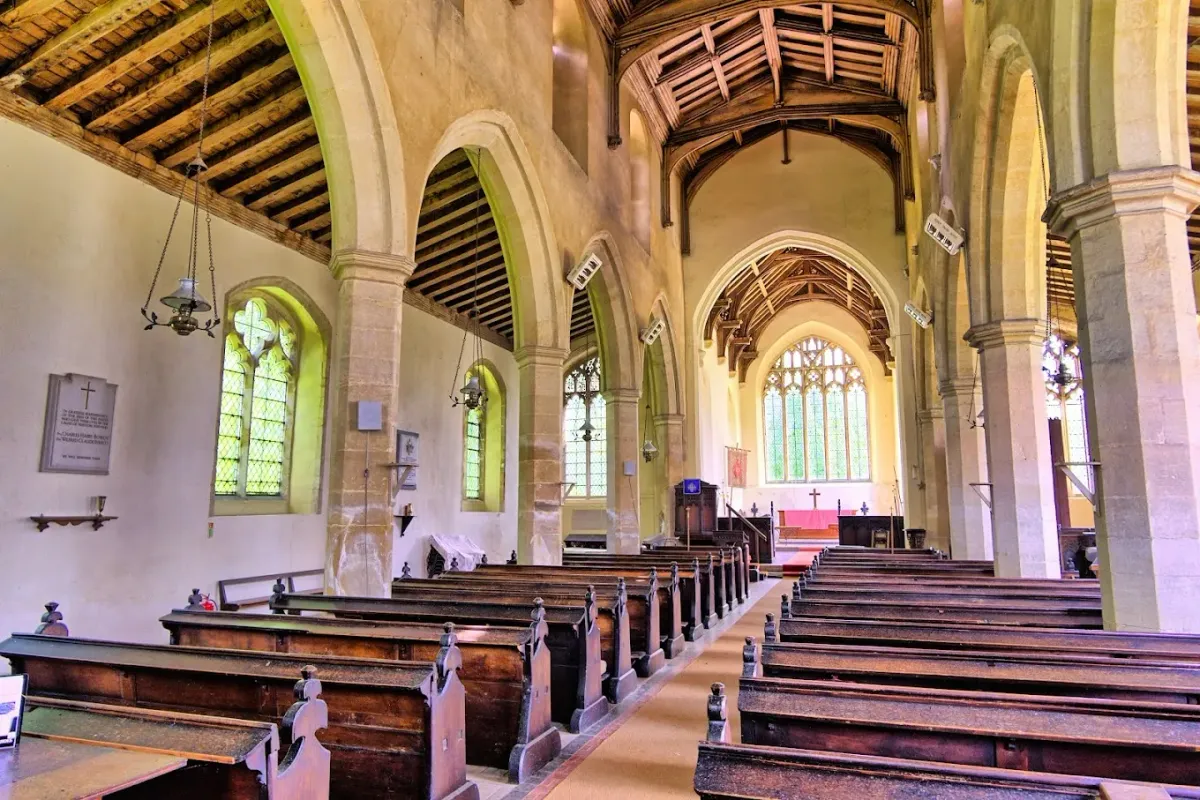
Most church buildings were never designed to be heated. They have high vaulted ceilings, stone walls, minimal insulation and gaps around every door and window. Trying to fill that volume with warm air is expensive, slow and largely futile. Infrared radiant heating takes a different approach: it warms people and surfaces directly, the same way the sun warms you on a cold day, without needing to heat the air in between.
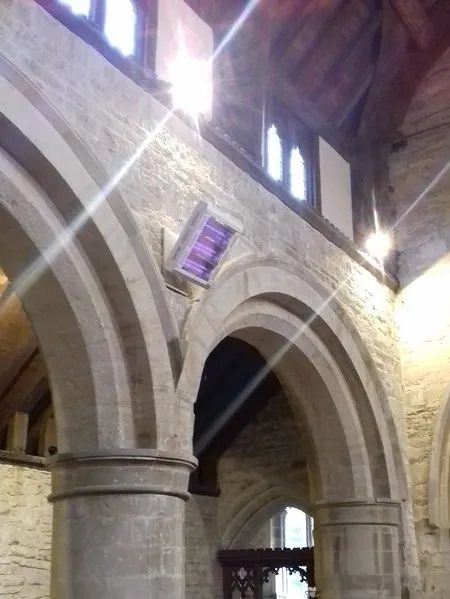
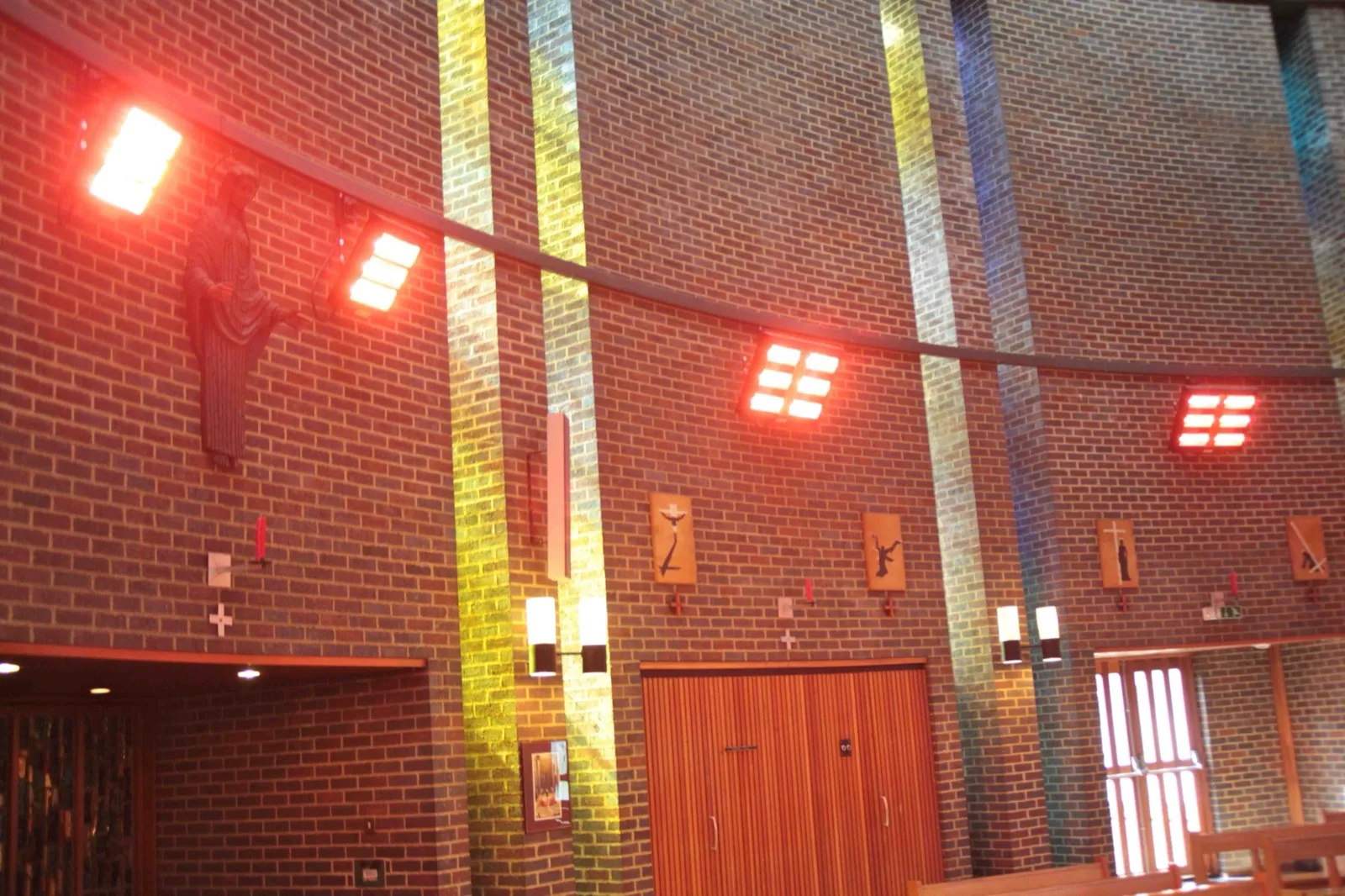
Wall or ceiling-mounted heaters direct infrared energy downward to the congregation, the pews and the floor. These surfaces absorb the warmth and re-radiate it gently. The air temperature barely needs to change, which means no wasted energy heating unused space above head height and no hot, dry air cycling around the building cracking oak pews and drying out lime plaster.
Fast warm-up, short run-times
A gas convection system often needs to fire up two or three hours before a service just to take the chill off. Infrared heaters deliver warmth in minutes. Switch on five minutes before the congregation arrives, off the moment they leave. For a church used once or twice a week, that difference in run-time is where the biggest savings sit. You pay for the hours people are present, not for keeping a cold stone building warm between services.
Zoning without walls
Infrared heaters can be grouped into zones, each covering a defined area of the building. Heat the nave for Sunday worship, the chancel for a midweek prayer group, the vestry for a PCC meeting. You switch on only the zones in use. Gas convection systems can only zone effectively by physically separating spaces, because warm air drifts wherever it likes. Radiant systems zone without walls or partitions.
Modern control systems make this straightforward. Set a target temperature per zone and the heaters run at full power to reach it, then dim to maintain it. Some systems offer remote control, so the churchwarden can set the heating from a laptop before leaving home.
Heritage-friendly installation
Wall or ceiling-mounted heaters need only a few fixing points, and cables can be routed through existing conduit runs or along discreet routes agreed with the Diocesan Advisory Committee. There is no underfloor pipework, no trenching through medieval floors and no radiator brackets screwed into listed stonework. The installation is largely reversible, which matters to the DAC. A typical parish church takes two to five days to install.
Silent operation
Infrared heaters produce no noise. That sounds like a minor point until you have sat through a service with a gas warm-air blower running in the background. Schools choose infrared for exam halls for the same reason.
Running on electricity
Infrared heaters run on electricity, which has a higher unit cost per kilowatt-hour than gas. But the total bill depends on how many hours the system runs, not just the unit price. Because infrared heaters run for far fewer hours than a gas system heating the same building, the annual cost is often comparable or lower. And electricity can come from renewable sources, which puts an all-electric church firmly on the path to net zero.