
St Nicholas Church, Potter Heigham
A medieval Norfolk Broads church with a famous painted rood screen installed infrared heaters to warm the congregation without risking its irreplaceable medieval wall paintings and timber features.
- Building
- Grade I listed medieval church with painted rood screen
- Diocese
- Norwich
- Previous system
- No effective heating
- New system
- Wall-mounted infrared radiant heaters
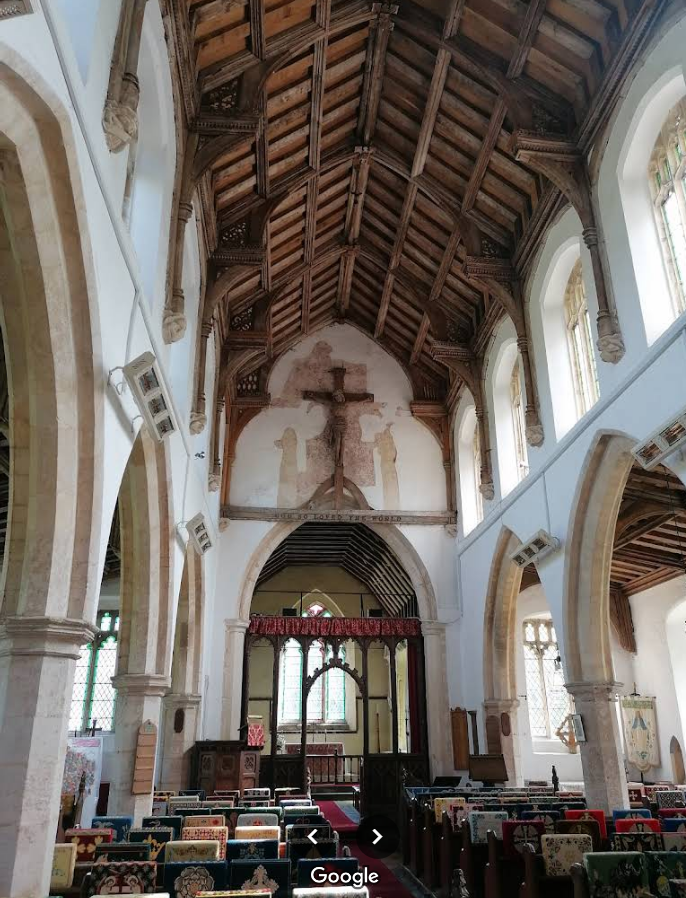
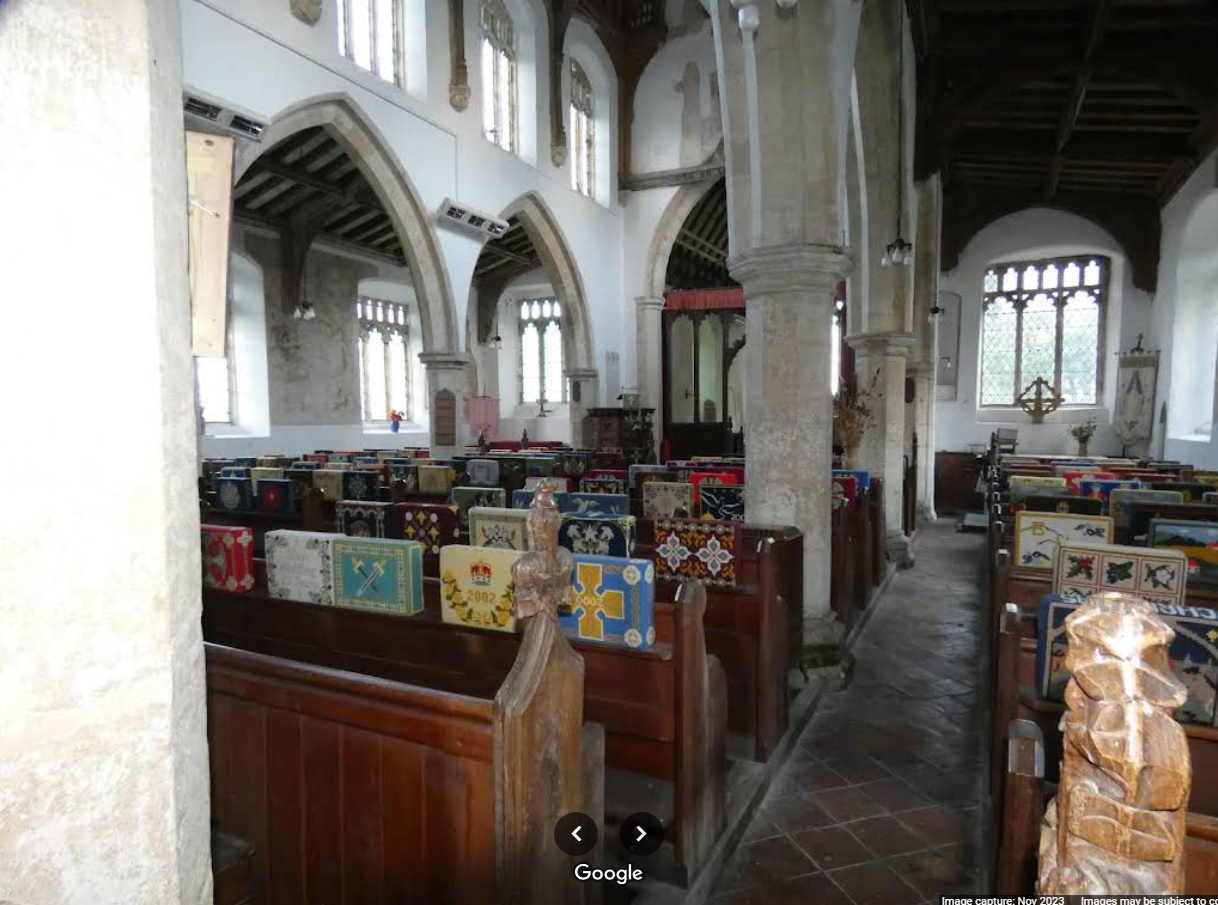
St Nicholas Church in Potter Heigham stands in the heart of the Norfolk Broads. The building is Grade I listed, constructed mainly in the fourteenth and fifteenth centuries from flint, with a round tower characteristic of Norfolk's medieval churches. It contains fourteenth-century wall paintings depicting the Seven Works of Mercy, fragments behind the rood beam, and over 150 hand-embroidered kneelers on the pews.
The challenge
Medieval wall paintings and painted timber screens are extremely sensitive to rapid temperature changes and humidity swings. Conventional heating systems that warm the air can cause expansion and contraction in historic timbers and paint layers, accelerating deterioration. Any heating solution had to warm the congregation without creating the kind of environmental fluctuations that damage irreplaceable medieval artwork.
The approach
Infrared radiant heaters were chosen because they warm people and surfaces directly without significantly changing the air temperature. This means the rood screen, wall paintings and timber roof are not subjected to the heating and cooling cycles that convection systems create.
The heaters were mounted on the arcade walls, angled toward the seating area and positioned to avoid directing heat at any painted surfaces.
Heritage considerations
The system's key advantage for a building with medieval paintings is environmental stability. The air temperature and humidity in the upper part of the church remain relatively constant whether the heating is on or off. The paintings and timber experience a far more stable environment than they would with a conventional heating system cycling on and off.
Result
The congregation has warmth during services while the medieval fabric stays in the stable environment it needs. The system runs only during services, and because it heats people rather than the building's air volume, running costs are modest for a building of this size and age.
Learn more about infrared radiant heating
Warms people and surfaces directly rather than heating the whole air volume, which suits tall, draughty church buildings that were never designed to be heated.
Want to talk through your options?
Tell us about your building and we will suggest the heating that suits it.